Fall brings a shift in air quality inside homes, especially in places like Southern California where the windows stay closed longer as temperatures cool. The drop in outdoor air circulation can lead to more buildup indoors. Allergens like pet hair, dust, and pollen settle in quickly when fresh air stops moving through. For households dealing with allergies or asthma, these changes can cause real discomfort.
That's where flooring can make a big difference. Certain surfaces hold on to allergens more than others. A smooth option like wood may help cut down on the particles that collect over time. A well-planned wood flooring install doesn't just look good. It can actually help reduce irritants that make breathing harder during the cool-down season.
How Flooring Affects Indoor Air in the Fall
When it gets cooler, most people shut their doors and windows more often. That traps indoor air in place and gives allergens more time to build up. The kind of flooring in your home plays a big role in how much dust and dander ends up in the air.
Here's how different materials stack up:
- Carpet tends to act like a sponge, holding on to small particles inside its fibers. It can be hard to remove every bit, even after vacuuming.
- Soft rugs and mats have the same problem, especially in corners or under furniture. They collect allergens along with everyday dirt and hair.
- Wood flooring offers a solid surface, so allergens have nowhere to hide. With regular cleaning, the floor stays cleaner and sheds fewer particles into the air.
In the cooler months, when natural airflow drops, that matters even more. The less your floors store, the less ends up kicked back into the air each time someone walks by.
The Role of Cleanup in Allergen Control
There's no getting around daily mess. But it's easier to fight back against indoor allergens when cleanup is quick and simple. That's another area where flooring type makes a clear difference.
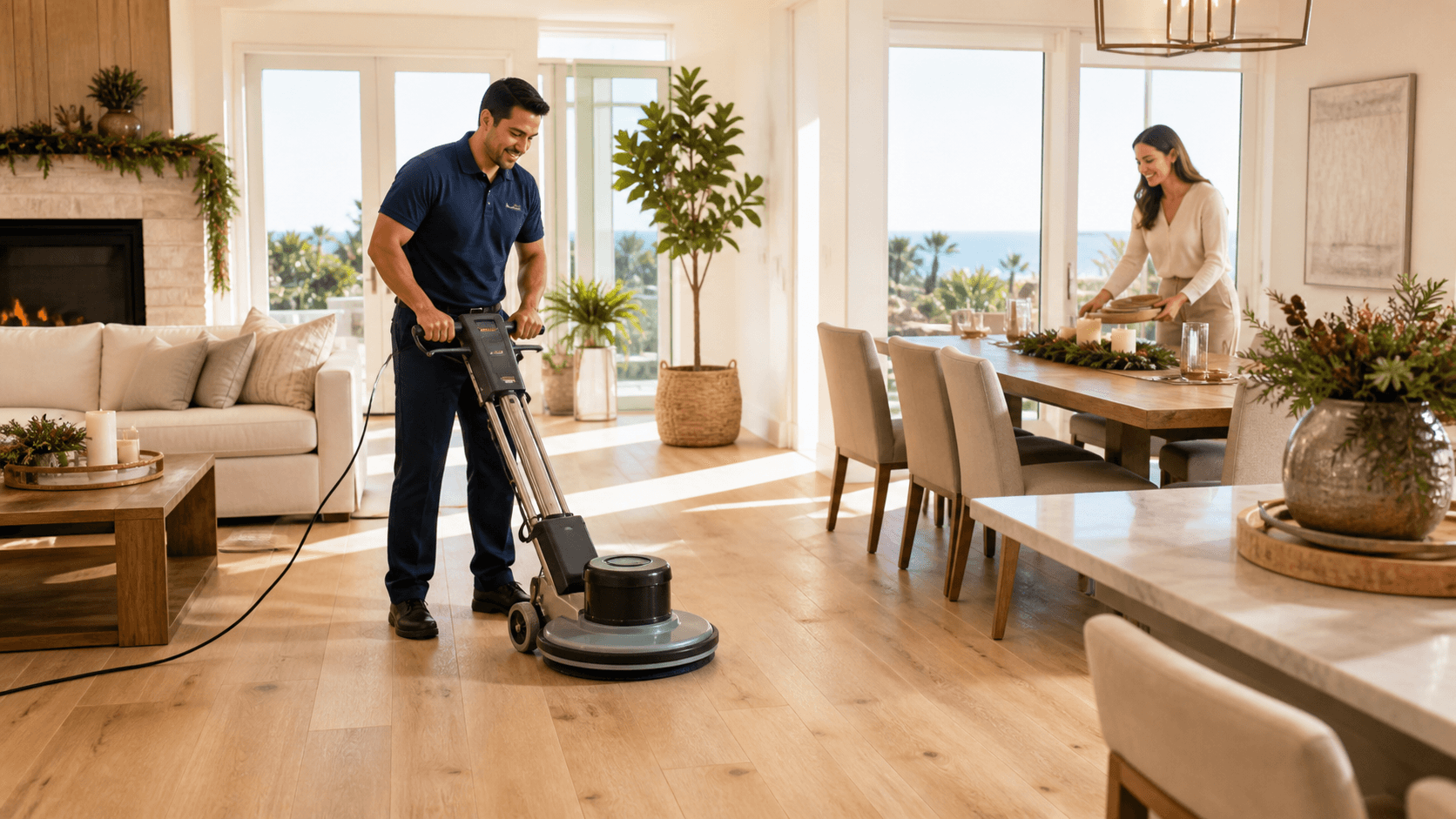
Wood floors don't need deep scrubbing to stay fresh. A quick sweep picks up pet hair and loose dirt. Most of the time, a damp mop with a light cleaner will do the trick.
Compare that to other surfaces:
- Carpets usually need vacuuming at least once a day in high-allergen seasons. Even then, some dust remains.
- Thicker rugs may need deep cleaning to fully remove what's trapped inside.
- Tile floors, while also smooth, may have grout lines where debris can collect over time.
A wood floor makes it easier to stay ahead of allergens. When cleanup moves faster, we're more likely to do it regularly without it feeling like a chore. That keeps the home environment calmer and cleaner.
Moisture and Mold: Why Fall is a Risky Season
Even in dry regions like Southern California, fall still brings some damp conditions, early morning fog, wet grass, or cooler nights where condensation collects. That added moisture can be trouble if it settles where it shouldn't.
Carpet, especially near doors or windows, soaks up water fast and dries slow. That creates ideal conditions for mold or mildew to grow. Once that happens, it can lead to allergy flare-ups or stubborn odors that are hard to get rid of.
Wood flooring doesn't hold moisture the same way. Water stays on the surface, and if wiped up quickly, won't seep deep. That gives you more control.
Here's what helps prevent problems:
- Choosing a good sealant to close off the surface of the wood.
- Keeping mats near entryways to catch shoes that might carry outdoor moisture.
- Staying ahead of leaks or spills with regular checks around appliances and water sources.
By controlling how moisture moves through your flooring, you lower the risk of hidden mold getting a foothold indoors.
California Flooring Service, Inc uses advanced sealants, water-resistant underlayment, and engineered wood flooring products that minimize moisture intrusion and support easy allergen cleanup year-round. Our installations are designed for better indoor air quality and comfort in Orange County homes.
Something to Think About Before a Wood Flooring Install
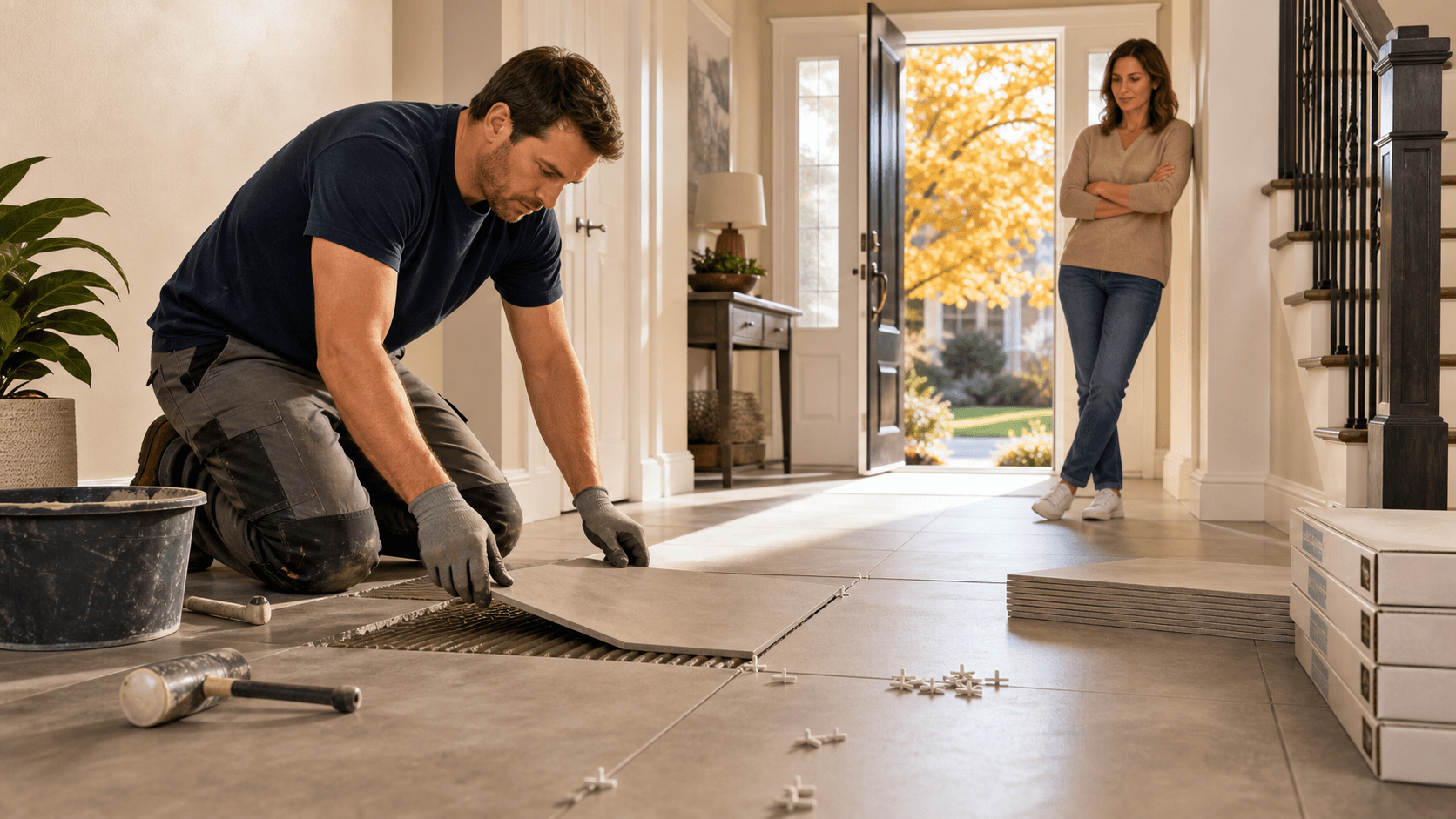
Before starting a new floor project, it helps to look at how your home works day to day. High-traffic areas like hallways, living rooms, or kitchens need something strong enough to keep up. If you've got kids, pets, or guests coming in and out with shoes on, those floors are working overtime.
Wood can be a great fit, but a few key choices matter:
- Pick a sealant that keeps moisture out and won't trap allergens.
- Think about texture. Smoother finishes are easier to clean, while matte surfaces hide scratches better.
- Consider board width and tone to match the rest of your space and avoid any design that might make rooms feel smaller.
Installing the floor is just one piece. Making sure it holds up and stays healthy over time means thinking ahead about how you really use each room.
Long-Term Benefits for Everyday Health
Indoor air matters more than most of us realize until something starts to feel off. When particles from outside start collecting where we live and sleep, it doesn't take long to notice the difference. A flooring upgrade might seem small, but it sets the tone for how livable the space feels afterward.
With something smooth and sealed like wood, regular cleaning becomes part of the rhythm instead of a full-time task. And that keeps more allergens out of the air. Breathing easier isn't just about filters and fans. It's about choosing surfaces that don't store irritants in the first place.
A new floor won't solve every issue, but it can help set a clean foundation for fall and the seasons that follow. When combined with daily habits that cut down on dust and hair, it makes the whole home feel fresher, without needing big changes to everything else.
Ready to reduce allergy triggers and add lasting style to your home? We'll help you choose and plan flooring that fits your lifestyle. Smooth surfaces make cleaning easier and help maintain fresher indoor air, especially during cooler months. With a wide range of styles and finishes, a properly installed wood floor can open up your space and simplify daily upkeep. Discover how our approach to wood flooring install projects supports comfort and clean living. Contact California Flooring Service, Inc today to schedule a consultation.