With cooler weather making its way into October, many homeowners look for ways to keep their homes warm without relying too heavily on forced air systems. That is where underfloor heating comes in. It offers even warmth from the ground up and feels especially nice on chilly mornings. But picking the right flooring to pair with that system matters just as much as the heat source itself.
One flooring type people often ask about is laminated flooring. It looks like real wood, feels comfortable underfoot, and costs less than some other options. But can it really work with heated floors without issues over time? Let's take a closer look at how well it handles underfloor heating and what steps help make the most of the combination.
How Underfloor Heating Works Under Hard Surfaces
Underfloor heating, often called radiant heating, works by warming the floor itself, then letting that heat rise gently throughout a room. These systems do not rely on vents or fans. Instead, they use either electric wires or water pipes beneath the floor surface.
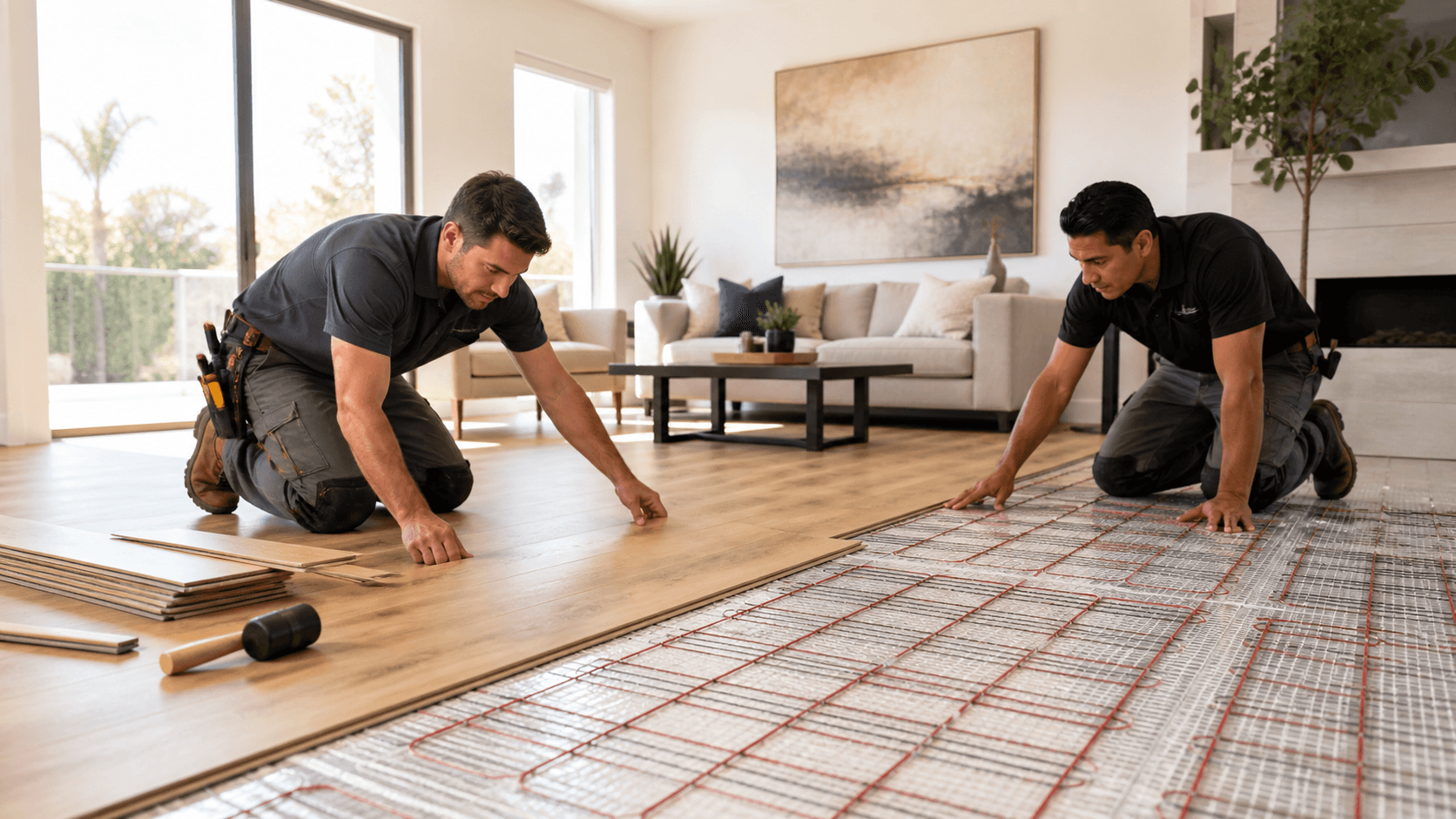
- Electric systems use cable loops or heating mats laid out across the subfloor. These are more common for smaller areas like bathrooms or kitchens.
- Water-based systems, or hydronic heating, pump warm water through tubes. These setups are usually installed during bigger remodels because they need more space below the finished floor.
Whichever system is used, the type of flooring installed on top plays a big role in how well the heat transfers through and spreads around the space. Softer or poorly conducting floors can block or slow the rise of heat. Hard surfaces like tile and wood are often recommended, but the right laminated flooring can work just as well, if done thoughtfully.
What Makes Laminated Flooring a Good Fit
The structure of laminated flooring is actually better built for heated surfaces than people often think. Most laminates are made from multiple layers, with a dense core and a protective top. That layered build provides stability and lets heat move upward with fewer gaps than other floating floor types.
- It tends to warm up faster than solid wood or thicker ceramic tile. This quicker reaction time helps rooms feel comfortable without long wait times.
- Since laminated flooring usually comes at a lower price than hardwood or stone, it can be a more budget-friendly pick when adding radiant heat.
- With the right underlayment built for radiant systems, noise is reduced without holding back heat. Not all padding works the same, so look for one tested at warm temperatures.
It is important to pick laminated flooring that is rated for use with floor heat. Not every product is built to take steady warmth over time, and some may start to warp or dry out if the temperature stays too warm for too long.
California Flooring Service, Inc installs luxury vinyl and laminate floors designed to perform well with radiant heating systems, offering homeowners in Irvine, California, the latest designs with advanced heat compatibility and moisture resistance.
Installation Tips That Prevent Problems Later
Getting the floor down the right way makes a big difference, especially when underfloor heat is involved. The layers in laminated flooring do respond to heat, which means there is a little movement. Expansion and contraction are not bad on their own, but poor installation can turn them into bigger issues over time.
- Always leave enough space between the flooring and the wall. This small gap allows room for the boards to shift slightly as temperatures change.
- Use an underlayment that is approved for radiant floor heating. Some padding products can trap heat and cause uneven surface temperatures.
- Avoid gluing or nailing down laminated flooring over heat systems. Floating installations let the material move naturally without damage, while glued floors may peel or crack.
- Hiring professionals to handle the project can help avoid mistakes with joints, seams, or layout planning. Any shortcuts here can lead to wasted material or repairs later.
Proper prep work helps the flooring adjust safely to heat cycles. It is not just about choosing material, it is about setting up the right conditions for it to last.
Things to Consider Before Combining the Two
Laminated flooring can do well with underfloor heating, but it is not a match for every situation out of the box. Some planning ahead helps avoid headaches once the system is turned on.
- Keep the floor temperature below 85°F unless the manufacturer says otherwise. Higher settings might feel warmer, but they can dry out the core layers and make the boards brittle over time.
- Not all laminates are rated for heated floors. Always check the packaging or product specs. Choosing one that is not designed for warmth can lead to early wear or surface damage.
- Poor leveling or uneven subfloor conditions can create gaps and uneven heating. If these are not fixed before installing the heat and flooring, they will show up later as soft spots or sounds underfoot.
This step is not about perfection. It is about getting things solid enough that the heat works well and the laminated flooring is not stressed into failure from underneath.
Warmer Feet, Smarter Flooring
When it is done right, pairing laminated flooring with underfloor heating can bring together comfort and practicality. The warm surface makes cold mornings a little easier, and the floor stays cleaner without the dry-air dust or blowing fans of older heaters. The key is getting good materials, prepping the space carefully, and combining the two systems in a way that works with how heat moves and floors respond.
Laminated floors will not give you trouble if they are rated for heat and installed with care. We always suggest taking time to understand the setup to avoid minor mistakes that can add up down the road. When lined up properly, the pair works without fuss and brings a kind of comfort that is hard to beat during the colder months. A little planning now means cozy rooms that stay strong for years.
At California Flooring Service, Inc, we understand how important it is to match heating systems with flooring that stands the test of time. Choosing the right surface can make all the difference in comfort and the long-term performance of your radiant heating setup. Many homeowners wonder whether laminated flooring is the best option for adding warmth and style to their space. Our team is ready to help you make informed decisions that suit both your taste and your needs. Give us a call to discuss your goals and see how we can help you move forward with confidence.