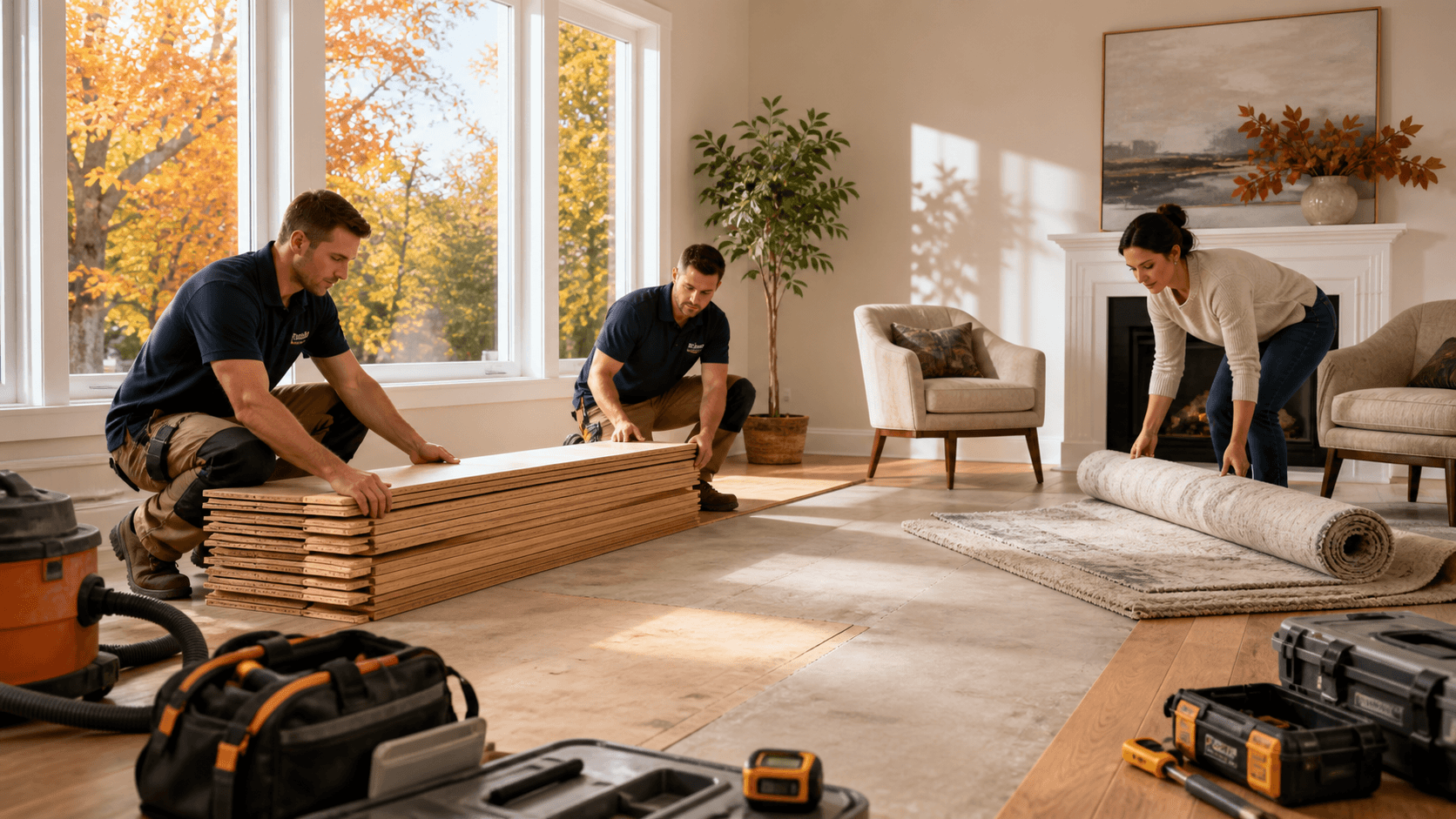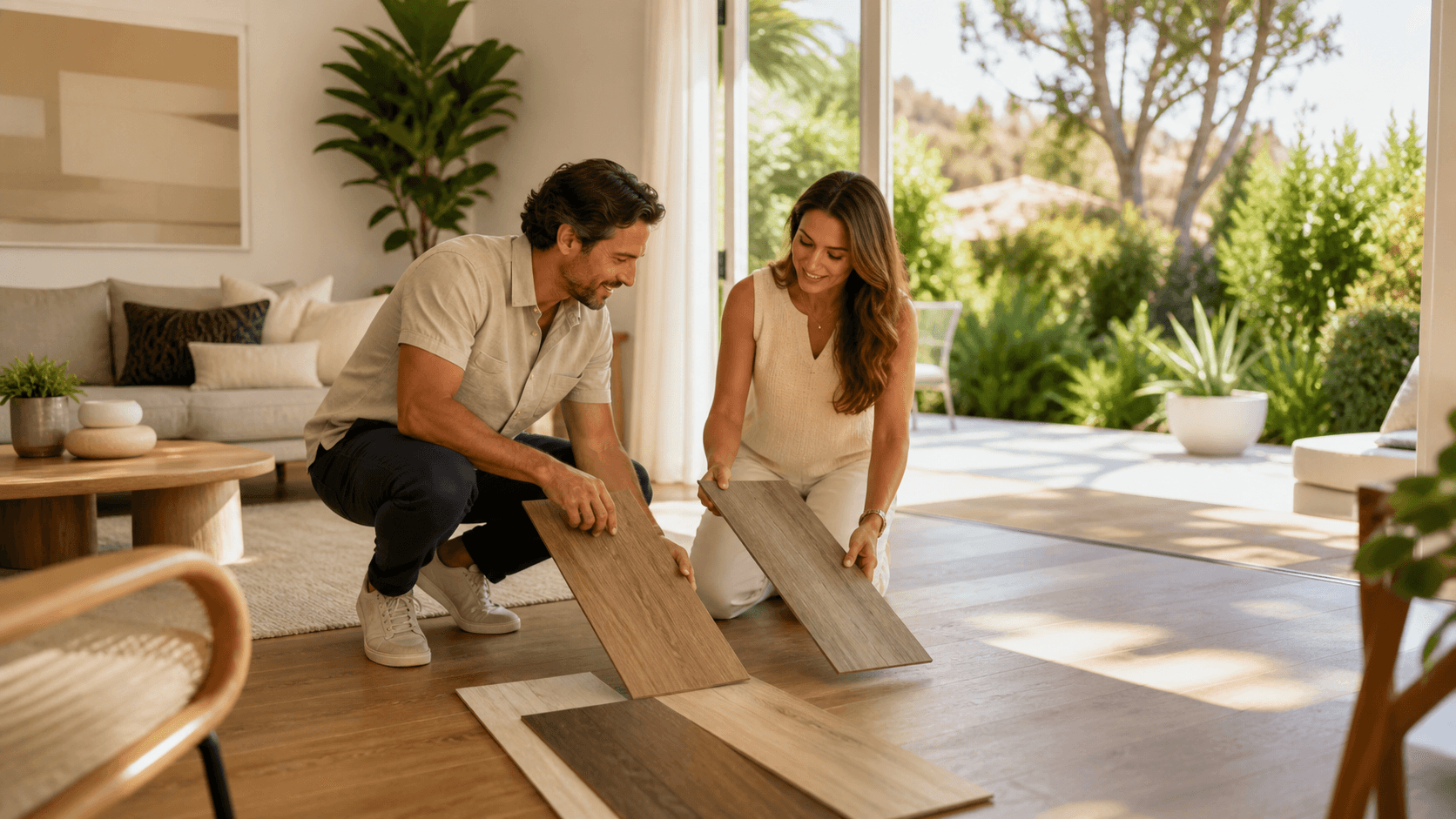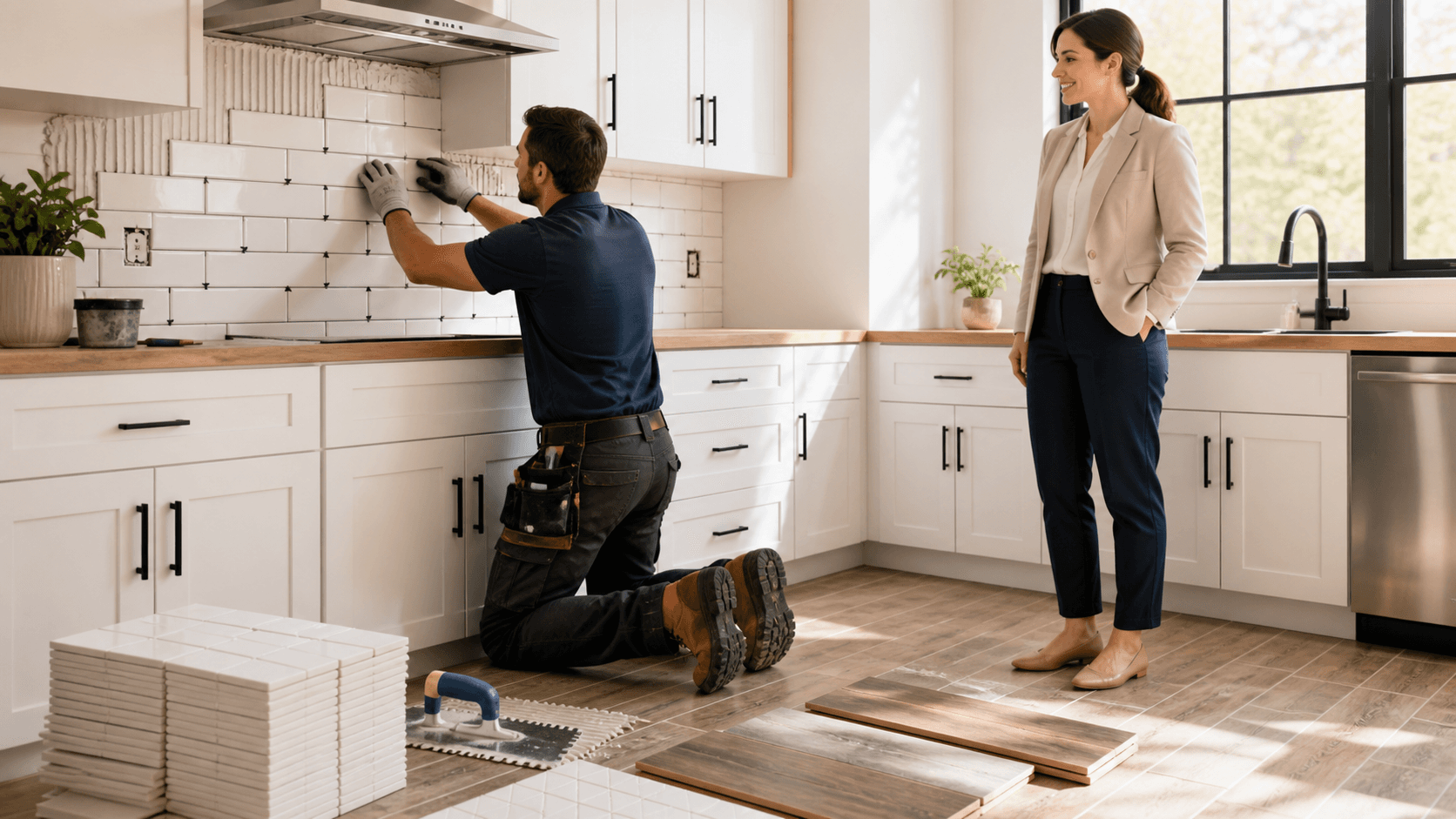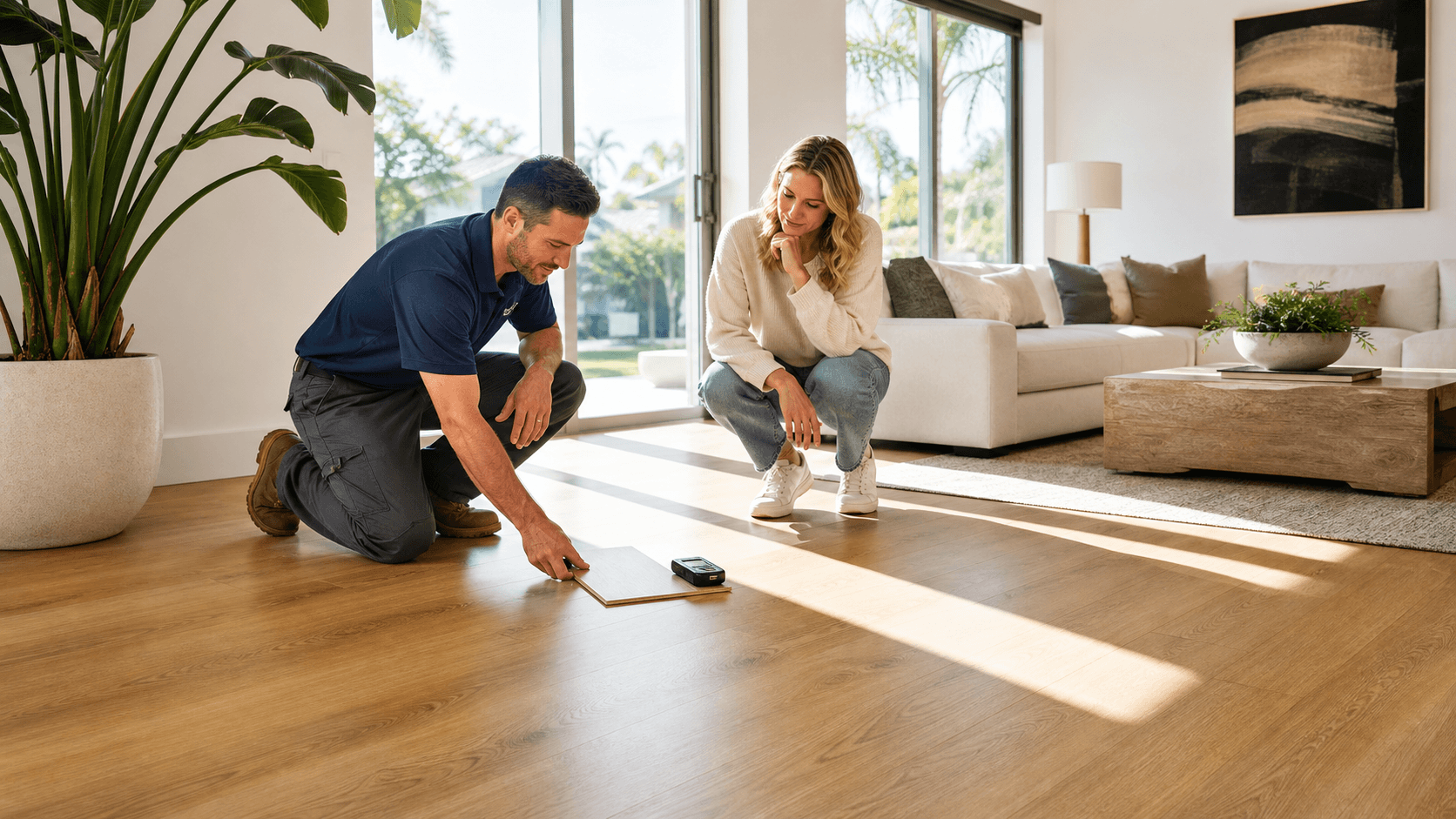
When the sun comes pouring through the windows during late spring and into the summer, it has a way of brightening everything, including how our floors look. Natural light can show off the shine and texture of a surface like nothing else. But it can also bring wear more quickly if the wrong material is used in the wrong place.
That's where laminated flooring often comes into the conversation. With its layered construction and realistic finishes, it's become a popular pick for rooms that get good light. As we get closer to those longer sun-filled days, this is a good time to think about how certain flooring types handle that kind of exposure over time.
How Sunlight Affects Indoor Flooring
Direct sunlight can change more than just the feel of a room. It can leave permanent changes on flooring materials when exposure is consistent. The most common issue is surface fading. Over time, strong UV light breaks down the finish or dulls the printed surface, especially on darker-toned boards.
Some materials may also start to buckle or pull at the seams if expanded by heat and then cooled repeatedly. This doesn't happen overnight, but it can sneak up in rooms with wide windows or where blinds stay open most of the day.
Where the sun hits also matters. Morning light tends to be softer but can rest on the same spot for hours if the room faces east. Afternoon sun is warmer and stronger, especially in west-facing living rooms or patio entryways. How long and how direct that exposure is makes a big difference in how flooring ages.
Here are a few things we keep in mind:
- South-facing windows often invite full-day sun without much break
- Skylights can concentrate sunlight in small patches, heating one area more than another
- Open floor plans mean light shifts as the sun moves across the sky
Understanding Laminated Flooring Construction
Laminated flooring is made of layers that are each important. At the base is a backing layer for stability. In the middle is a high-density core that makes the floor feel sturdy. Above that comes the design layer, which holds the photo image that gives the floor its look. At the very top is the wear layer, a clear protective sheet that guards the rest.
That wear layer is key in how laminated flooring performs in sunny spots. It's what stands between the surface and UV rays, scratches, water, or stains. Thicker layers tend to handle sunlight better, keeping the printed layer underneath from fading too fast.
Over the years, there's been steady improvement in how manufacturers build in UV resistance. Floors that used to fade in two seasons now hold color a lot longer. Still, no surface is untouchable with steady sun all year, especially in areas like Southern California where sunshine is almost daily.
California Flooring Service, Inc installs high-quality laminated flooring and luxury vinyl planks with advanced wear layers and UV-resistant technology, making them well-suited for sunny Southern California homes. Our product selection includes light and natural wood-look finishes that help reduce the appearance of fading and complement sunlit spaces.
Appearance and Fading Over Time
Even with a solid wear layer, some fading is normal over time. We usually notice it first where rugs don't cover, or around furniture legs that never move. With laminated flooring, the change is more about color shift than structural damage. Boards don't usually warp unless there's excess moisture involved.
To help reduce how visible fading becomes, we often suggest lighter tones or designs with a bit of texture. Grained wood styles or patterns that mimic stone can mask changes better than smooth, dark planks. This can be helpful in rooms that get the most light during the day.
Some parts of a home that work well with laminated flooring despite steady sun include:
- Hallways or dens with filtered light through sheer curtains
- Bedrooms where sun enters early but softens by mid-morning
- Dining areas with mid-level exposure a few hours each day
For wide-open rooms with full-length sliders or tall windows, we think more carefully about where the sunlight hits hardest. Longer stretches of sunlight can bring more noticeable fading, so areas like sunrooms or rooms with large bay windows might need frequent checks to make sure the flooring still looks good.
Tips for Protecting Laminated Flooring in Sunlit Spaces
Keeping your floors in good shape where the light is strongest doesn't have to be complicated. Small steps can go a long way toward guarding against wear and slowing down fading. These changes aren't about covering up the floor, just about helping it last longer without losing its look.
Here are some simple routines we follow:
- Use soft curtains, sheer panels, or blinds to block direct sunlight during peak hours
- Lay down rugs or runners in high-sun areas, but lift and clean under them regularly
- Move heavy furniture a few inches every few months to avoid blocking UV to only part of the floor
- Keep plant pots with water trays off the floor to prevent trapped condensation
It's also helpful to let new laminated flooring adjust to the room's lighting before placing thick rugs or covering large areas permanently. That gives the surface a more even fade in its early stages rather than sharp lines forming later. When making decor choices, think about the position of windows and the angle of the sun at different points during the day. Regular cleaning also helps maintain the clarity of the wear layer, so dust and dirt don't dull the surface.
When Laminated Flooring Is a Good Fit
In many homes, laminated flooring hits a nice middle ground. It works well where there's moderate daily sun and quick changes between light and shade. Walkways, guest bedrooms, and mid-size living rooms are often great matches, especially where families want a look that stays fresh without constant upkeep.
The way light hits a room often lines up with how it's used. Places with strong light during the day usually don't get as much traffic until evening, which helps balance wear. Meanwhile, high-use spaces like kitchens may benefit from better temperature control and lower sun contact for long-term floor health.
We also see laminated flooring succeed in places like:
- Offices with east-facing views that glow in the morning but cool later
- Living rooms with partial shade from nearby trees or balconies
- Kids' rooms with blackout curtains that get drawn when it's too bright or warm
The mix of brightness, foot traffic, and cleaning habits all play into how well the floor lasts. While not every floor will need the same routine, considering each room's unique light and activity levels can make a big difference in overall durability.
Bright Looks That Last: Making the Most of Your Flooring
Laminated flooring can stand up to seasonal sunlight with the right setup. It comes down to matching the room and layout with what the floor can handle and adding a few low-effort habits to avoid fast aging. Even sunny homes can enjoy the sleek look of wood or tile patterns without worrying too much about fading.
We always think about how a floor will perform under real daily light, not just how it looks on install day. With a little care, a well-placed floor stays steady, even through the stretch of long, warm days ahead.
Sun-filled rooms deserve floors that balance style with resilience. Many homeowners turn to options like laminated flooring for a durable surface that mimics the look of wood or tile without the extra weight. It's an ideal fit for bright spaces where you want plenty of visual impact and easy maintenance. At California Flooring Service, Inc, we help families throughout Orange County achieve beautiful, long-lasting floors that meet their needs. Reach out to discuss your vision, we're here to help you choose the best solution for your home.