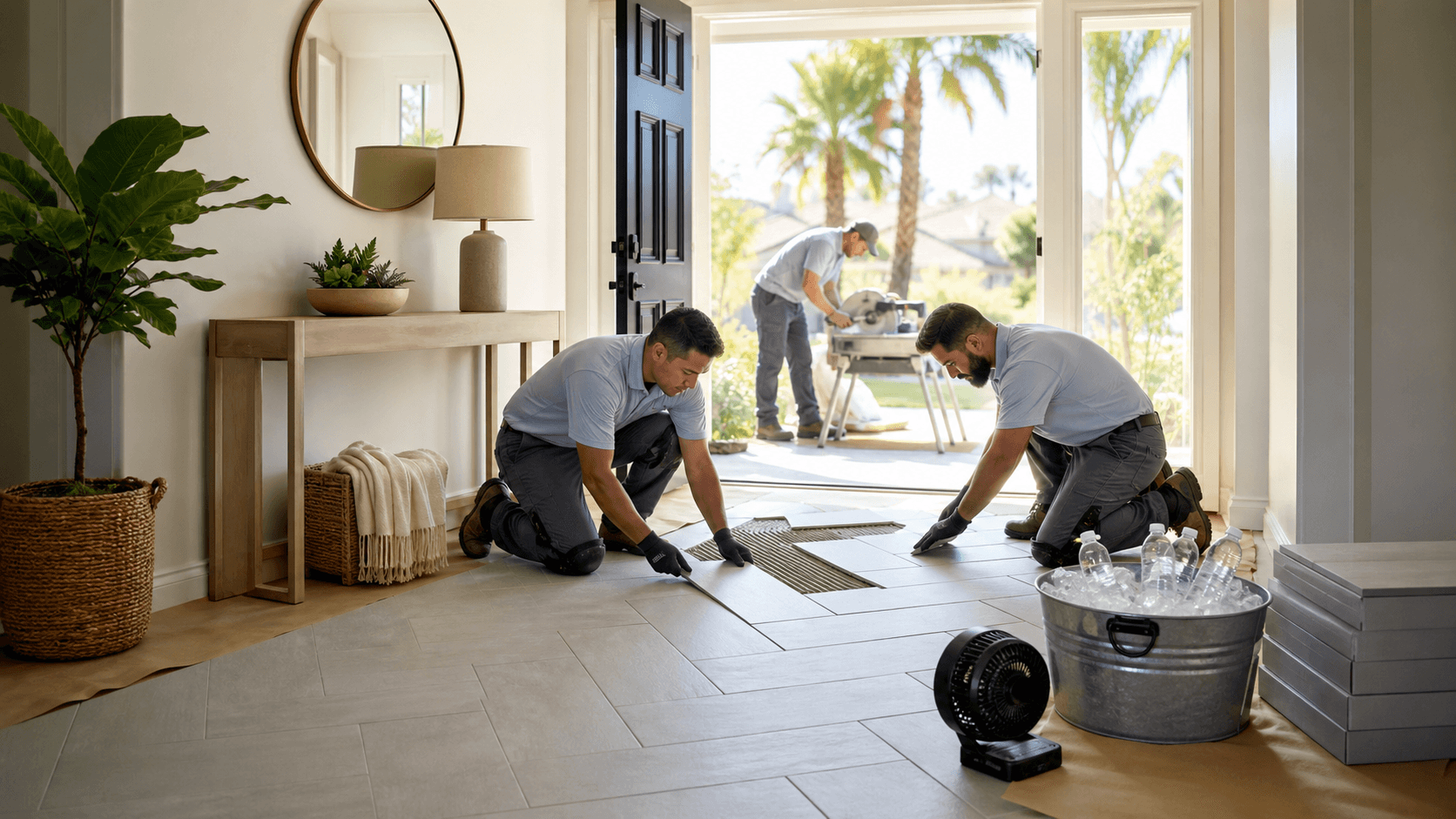
During the warm stretch of late spring, many homeowners start looking for ways to keep their spaces cooler without cranking up the AC. Entryways are one of the first places that collect heat. They take in sunshine through open doors and windows and handle steady foot traffic from outside. That combination can make these areas feel hot, especially when tiled surfaces bake under the sun.
Choosing the right materials and strategies during tile installation can make a noticeable difference in the way entryways handle summer heat. By thinking through where the sun hits, how the floor is built, and what kind of tile is used, we can help manage temperature better, even before a fan clicks on. Understanding the unique needs of an entryway is key since these areas often set the tone and feel for the rest of the house during the summer months.
Picking Cooler Tile Materials for Entryways
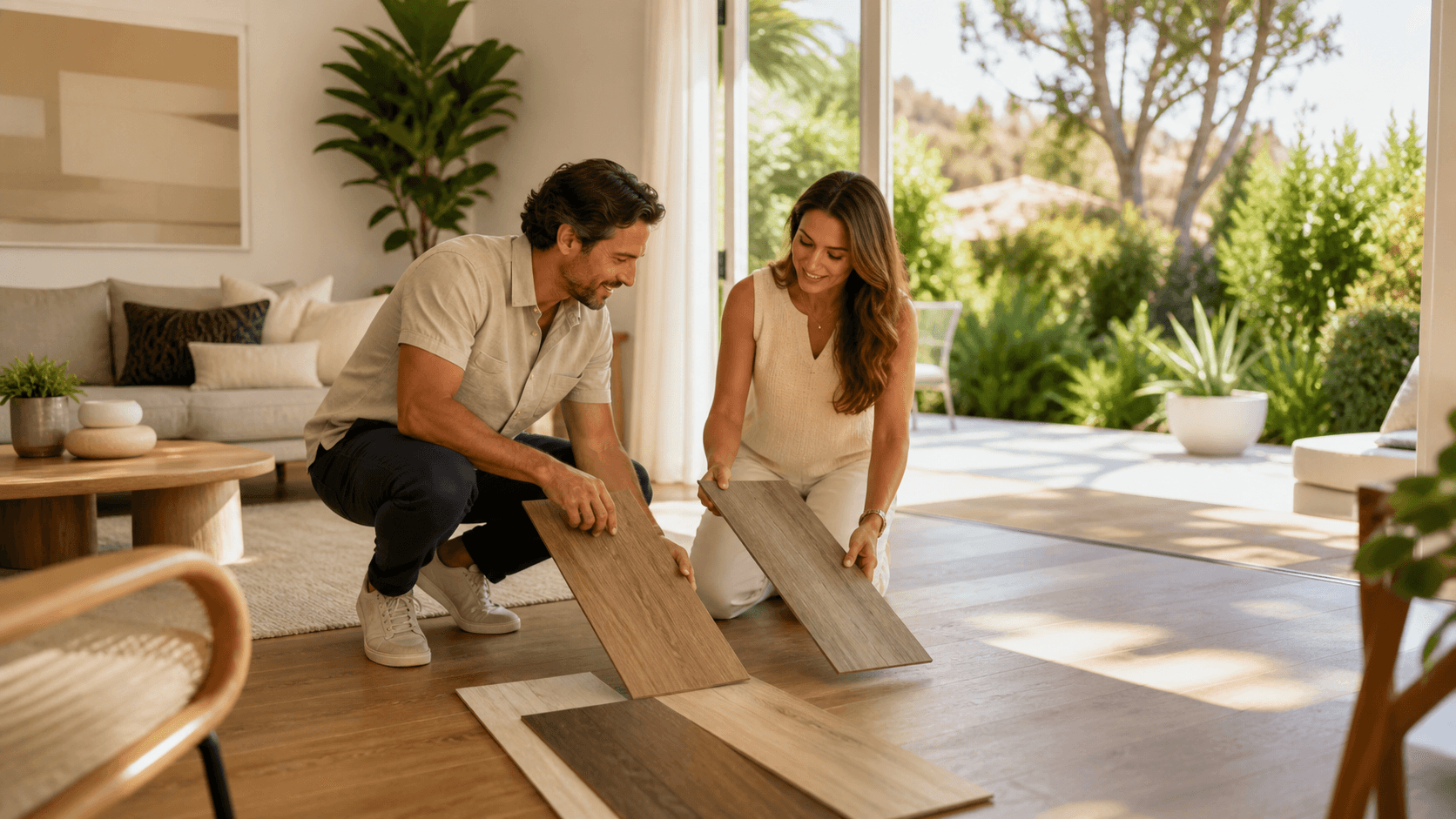
Some tiles get hot fast and stay that way long after the sun has passed overhead. Others reflect heat and stay comfortable underfoot throughout the day. The difference usually starts with color and material type.
Lighter shades tend to bounce sunlight instead of holding it, which helps the surface stay cooler. We often lean toward soft creams, sandy tones, or pale beige options when working around doors that get afternoon sun. Picking a lighter tile isn't just about style, it's about comfort when walking inside with bare feet on a hot day.
- Natural stone like limestone or travertine often feels cooler to the touch throughout the day
- Porcelain tile works well and comes in many colors and textures without holding much heat
- Finishes make a big difference, matte tends to stay cooler and feels less slippery, especially when wet
Avoiding ultra-dark tones around entry doors and covered porches can help keep your floor from turning into a heat trap every afternoon.
For households with kids and pets, cooler tile can make daily traffic much more pleasant. Porcelain and natural stone, for example, also resist staining and marks from shoes or paws, so you get both comfort and durability with the right choice.
California Flooring Service, Inc offers professional tile installation in Orange County with access to specialized porcelain, ceramic, and natural stone products known for durability and heat-resistance. Our team helps select styles and finishes best suited for sun-exposed entryways and high-traffic areas.
Prepping the Surface to Reduce Heat Transfer
Most of what makes a floor feel warm or cool isn't just the sunlight, it's what's underneath. If the tile is installed right on top of concrete or slab with no buffering layer, that surface may absorb and radiate heat well into the night. That's why the prep before tile installation matters just as much as the material itself.
- We check the subfloor for proper condition to help manage moisture and heat flow
- Thermal underlayment or insulation board between layers helps reduce how much warmth moves through the tile
- These steps are especially useful in spots like front door landings or unsheltered outdoor steps where the surface gets hit hard by summer sun
Good surface prep goes beyond just structural checks. It's about making sure that when the midday sun comes streaming in, heat is not traveling right through the structure of your home. Even a slim underlayment can block some transfer, keeping surfaces easier to walk on and reducing the overall heat that leaks into the entryway.
A little extra care on the prep side helps make sure that heat stays outside where it belongs. When prepping, attention to drainage and moisture control also plays a role, since summer can sometimes bring unexpected humidity or rain. Ensuring the area stays dry beneath the tile also stops unwanted warmth from being trapped inside and adds to the comfort of the space overall.
Shading, Ventilation, and Layout Tricks
Sometimes it's not about the tile itself, but about what's around it. Shading makes a clear difference, whether from planting, features on the house, or even a simple window film. These kinds of details help keep tile surfaces from turning into hotspots during the warmest parts of the day.
- Adding UV-blocking film to sidelights or glass-paneled doors helps cut heat before it hits the floor
- Laying tile in staggered or offset patterns avoids long heat lines, which are more common with straight grid setups
- Overhangs, awnings, or small entry breezeways give high-traffic tile outdoors a break from direct exposure
The layout of your tile can control how the sun and warmth are distributed across the floor. For example, a herringbone or diagonal pattern disperses heat visually and functionally, reducing hot spots. While overhangs and awnings often provide direct shading, even tall potted plants or a line of shrubs by the front path can shield parts of the entry from harsh afternoon rays.
Ventilation plays a part too. If air flows easily through an entry, tile tends to cool faster and hold less heat. Good airflow makes every step feel fresher in the late afternoon and makes it easier to cool the entire home by just opening a few doors or windows once the hottest part of the day has passed.
Grout and Finish Choices That Make a Difference
It's easy to overlook grout, but in a hot summer entryway, it affects more than just looks. Light-colored grout reflects more sunlight and helps maintain a cooler visual tone across the space. That effect adds up in high-light areas with lots of glass and mid-day sun.
- Using a heat-resistant grout mix reduces cracking when the ground shifts with temperature swings
- Grout sealants that hold up against UV light can prevent early breakdown
- Smooth tile surfaces set with low-profile grout lines are less likely to trap heat compared to deeply textured setups
When thinking about comfort, grout and finish choices can really alter how the surface feels underfoot or to the touch. Grout lines that sit nearly flush with tile mean less uneven heating and easier cleaning, too. Low-gloss and soft-touch textures keep the surface from getting slippery or too hot for quick trips in and out.
For areas that see a lot of sunlight or heavy use, picking the right finish isn't just for looks, it keeps things practical and pleasant. Matte options create less glare and resist showing marks and dust, so your entryway feels tidy and looks good with less effort all summer.
Keeping Summer Entryways Comfortable All Season
A cool entryway starts long before the tile is down. With the right material choices, proper prep work, and smart shading in place, we can make sure tile installation sets the whole space up to handle warm weather with ease. When the surface stays cooler and the layout helps with airflow, the entire entry feels more welcoming on hot days.
These early planning steps pay off throughout summer. By thinking ahead about where the sun shines and how the space gets used, we make entryways more comfortable, easier to clean, and less prone to wear once the hottest months hit. Whether the area is covered or out in the open, small choices add up to a better result.
A simple refresh can have a big effect on the comfort level of the home, especially when entryways are used every single day. Putting energy into thoughtful material selection, surface preparation, layout, and finishing means the space sets a cool, fuss-free tone for the summer months. Keeping hot air out and making surfaces easy to walk on helps you enjoy the season with less stress and more comfort every time you walk in the door.
The right surface prep and material choices can make a big difference if your entryway is heating up more than you'd like. We always take the time to plan layouts that vent warm air and help cool things down through smart design. Our approach to tile installation blends comfort and style so your space stays livable during even the hottest months. At California Flooring Service, Inc, we help homeowners create cooler, more comfortable rooms from the ground up. Give us a call and let's talk about starting your project.