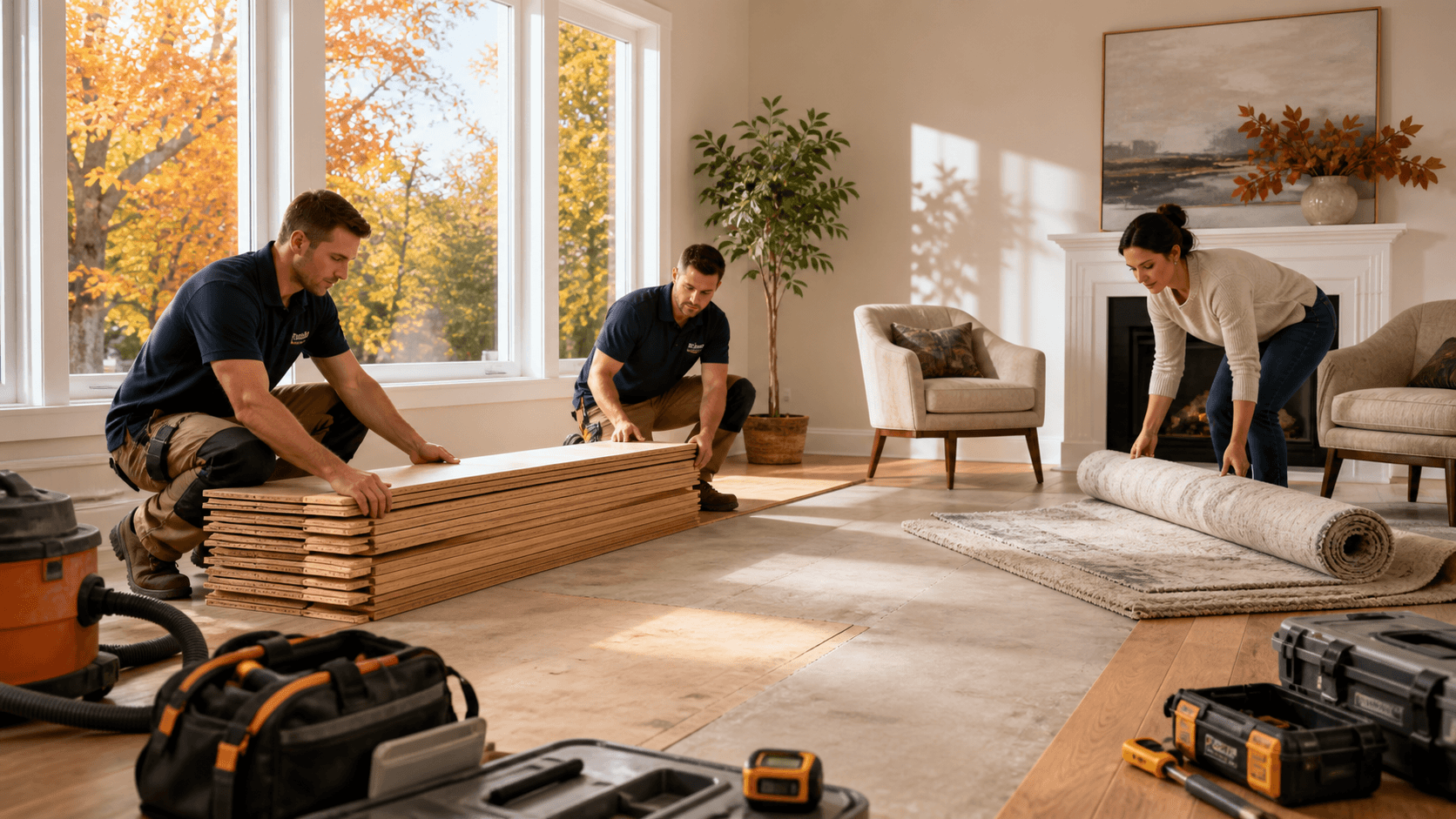
Spring tends to invite big changes around the house. It's when many of us move forward with remodeling projects that got pushed off during the winter. One of the most popular updates this time of year is a fresh wood flooring install. What many people don't expect, though, is how allergy season can throw small but frustrating challenges into the mix.
As installers, we notice details that often go unseen. Among them is the way spring pollen can creep into homes and interfere with the flooring process. Pollen shows up in places people don't always think to check, and if it's not managed carefully, it can affect how smoothly the job goes. There are ways to work around it, though. A little knowledge and preparation can help make sure your wood floors look and perform their best, even in the middle of allergy season.
How Pollen Enters the Home and Why It Matters
Pollen doesn't need an open window to get indoors. It's small enough to come in through door frames, vents, and even cling to clothing or pet fur. Add some wind or traffic in and out, and suddenly it's all over the floor, counters, and tools.
Once inside, pollen settles fast. It can land on new flooring materials, adhesive buckets, or anything that's been recently cleaned or unwrapped. These small particles might look harmless, but during a wood flooring install, they can cause some real setbacks.
- Pollen on the subfloor can affect how adhesives bond, especially if the type being used is moisture- or air-sensitive
- Dusty tools or dirty surfaces may leave visible marks or leave finish uneven during final steps
- Inhaling airborne pollen during install work can make the worksite uncomfortable, especially for crew members with allergies
It's one of those subtle issues that can build up quickly if it's not handled before the job kicks off.
Why Timing Your Flooring Install Around Pollen Can Help
In most parts of Southern California, pollen counts tend to peak around mid to late spring. For people with allergies, that timing usually lines up with itchy eyes and extra sneezing, but for flooring work, it can spark a few hidden complications too.
Whenever possible, we recommend scheduling your wood flooring install slightly earlier in the season or choosing days when pollen levels are expected to be lower. Even just aiming for days after a bit of rain can make a difference, as rain helps pull some of that pollen out of the air.
If your timing lines up with a high-pollen stretch, keeping the workspace clean before and after the install becomes more important.
- Dust and clean surfaces one day before install, not just the morning of
- Use entryway rugs and keep doors closed as much as possible during work hours
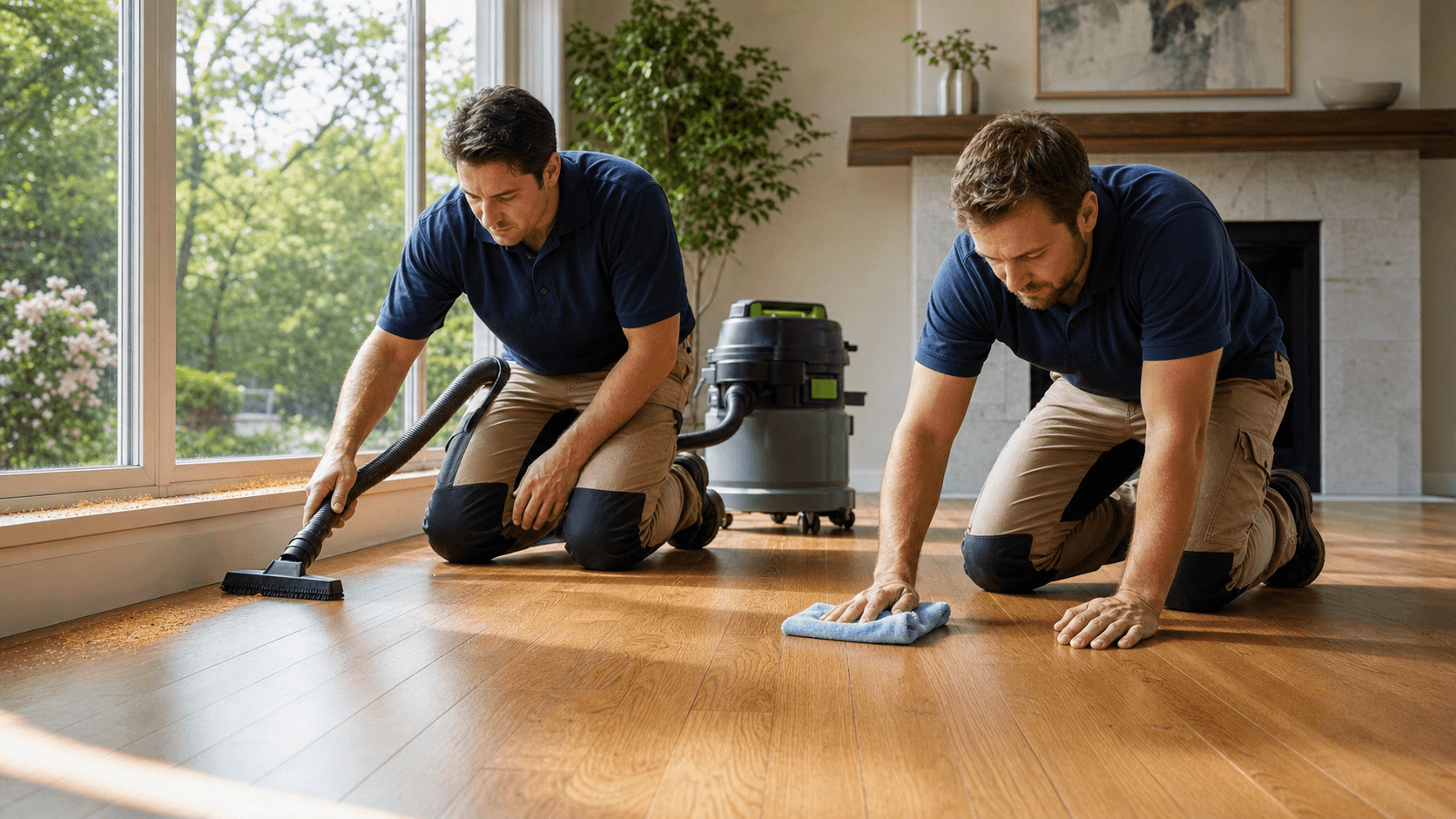
- Do a final clean after the floors are in before bringing furniture back in
Fresh hardwood flooring looks best when it's clean from corner to corner. A layer of springtime pollen can cloud that effect if it's allowed to settle.
Prepping Your Home for Allergy-Friendly Installation
A little prep goes a long way when it comes to pollen. You don't need an elaborate clean to make a big impact, just a few small steps at the right time.
- Vacuum and dust rooms, even hallways that lead to the install area, one or two days ahead of time
- Change or upgrade air filters if you can, especially if the HVAC system will be running during the work
- If weather allows, consider turning off the air just before the project starts to help keep allergens from circulating during install hours
Clean surfaces and still air help limit how much pollen sticks to the new flooring during the critical early hours after it's laid. Not only does it help the floors cure better, but it keeps indoor air feeling more breathable for everyone in the home.
What Installers Do to Work Around Pollen
We try to stay ahead of the pollen problem on our side, too. That effort starts before we even bring materials into your home.
- We store wood planks in clean, controlled areas and transport them in wrapped packaging
- Tools are cleaned often so we're not tracking dust from job to job
- Workspaces are usually sealed off using plastic barriers when needed to keep dust and pollen away from where we're installing
Some adhesives and chemical finishes are more sensitive to airborne particles than others. When that's the case, we'll adjust what we use based on the environment. If the air feels heavy with pollen, we may shift to a different product or timing so the quality doesn't suffer.
We also encourage open communication throughout the project. If you know allergies are actively flaring up or weather conditions have shifted, giving your installers a quick heads-up helps us respond faster and more effectively.
How Pollen Affects Wood Floor Appearance and Performance
Not every flooring surface responds to pollen in the same way. With new hardwood floors, especially those with unique textures like hand-scraped or wire-brushed finishes, pollen can settle into tiny grooves before you even notice.
Small particles under planks, especially with floating installations, can create uneven pressure or sound over time. In more severe cases, if pollen gets caught between adhesive and wood, parts of the floor may not fully bond the way they should.
Here's how we reduce those risks:
- We avoid installing over dust or visible pollen at any stage of the process
- We wipe down planks before installation if they've been sitting out, even indoors
- We recommend post-install cleaning once the work is finished and cured
A good cleaning schedule helps protect your wood floor's color and keeps the surface from holding airborne allergens long after allergy season ends.
Keep Your Floors Beautiful and Your Home Breathing Easy
Spring always feels like a good time to start something fresh. New floors can completely change how a room feels, but timing and prep matter more than most people think, especially when pollen is floating around. A little awareness now can save a lot of effort later on and help your new floors shine the way they're supposed to.
If you're scheduling a hardwood flooring project this spring, it makes sense to keep allergy season in mind. Being mindful about cleaning, timing, and air control doesn't have to be complicated, but it can make a real difference. The goal is to end up with a beautiful result that looks great and makes your home easier to enjoy year-round.
Preparing for your upcoming project with some thoughtful planning helps make a clean, smooth installation every time. We always think ahead to tackle seasonal challenges like spring pollen and manage air quality and subfloor prep, so your new floors settle in perfectly. To take the next step with your own wood flooring install, reach out to California Flooring Service, Inc and let us help you get started today.