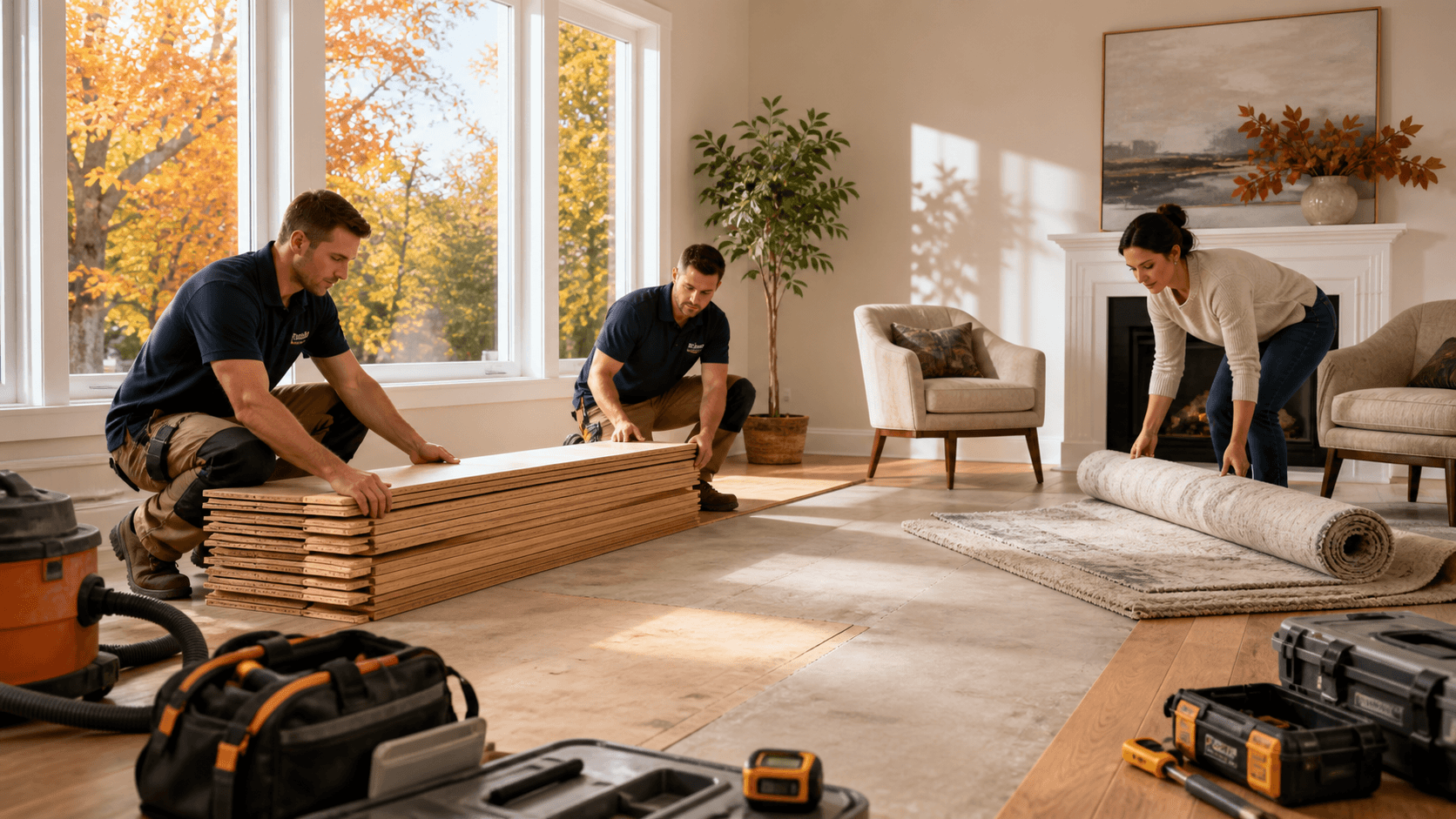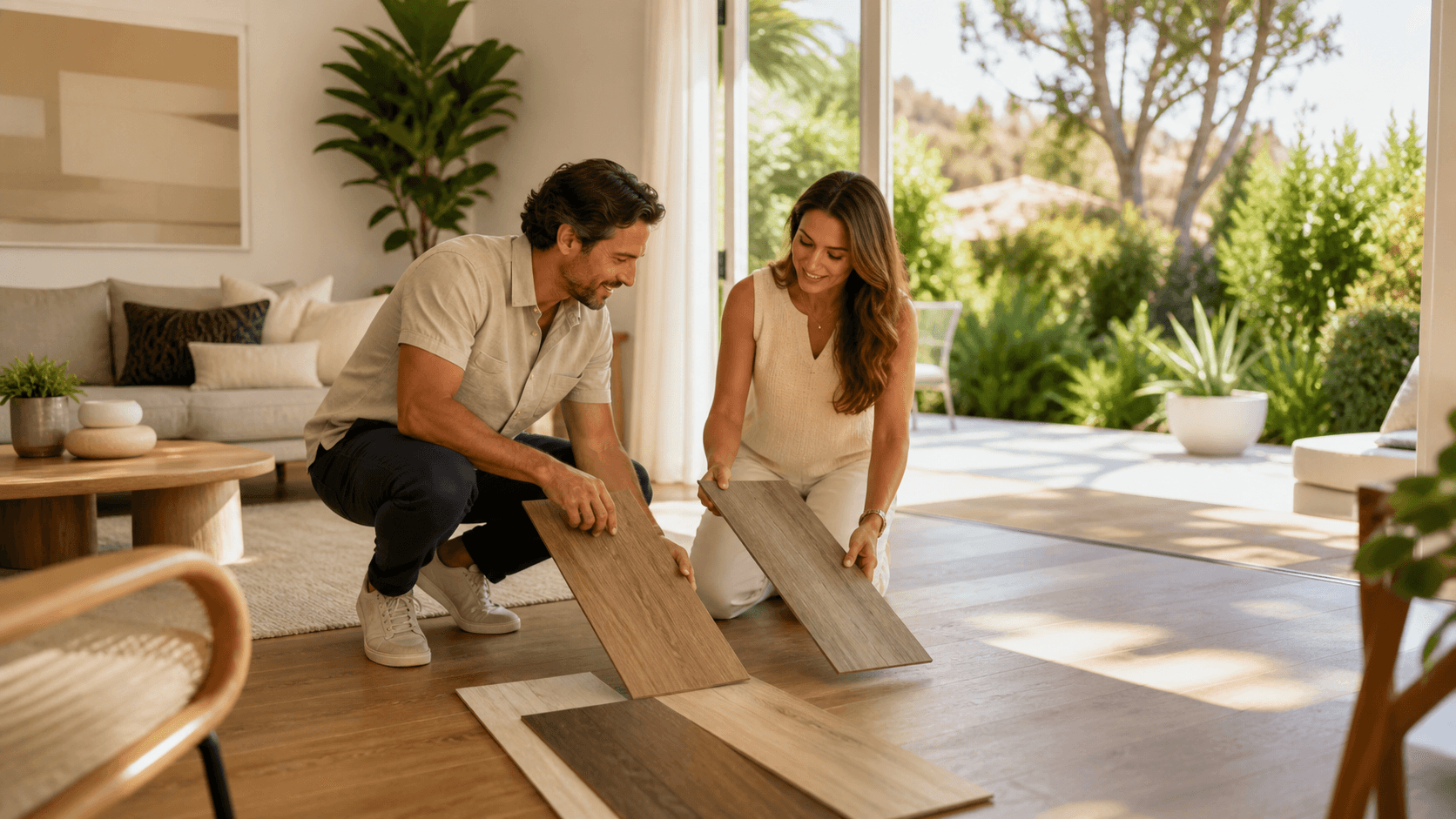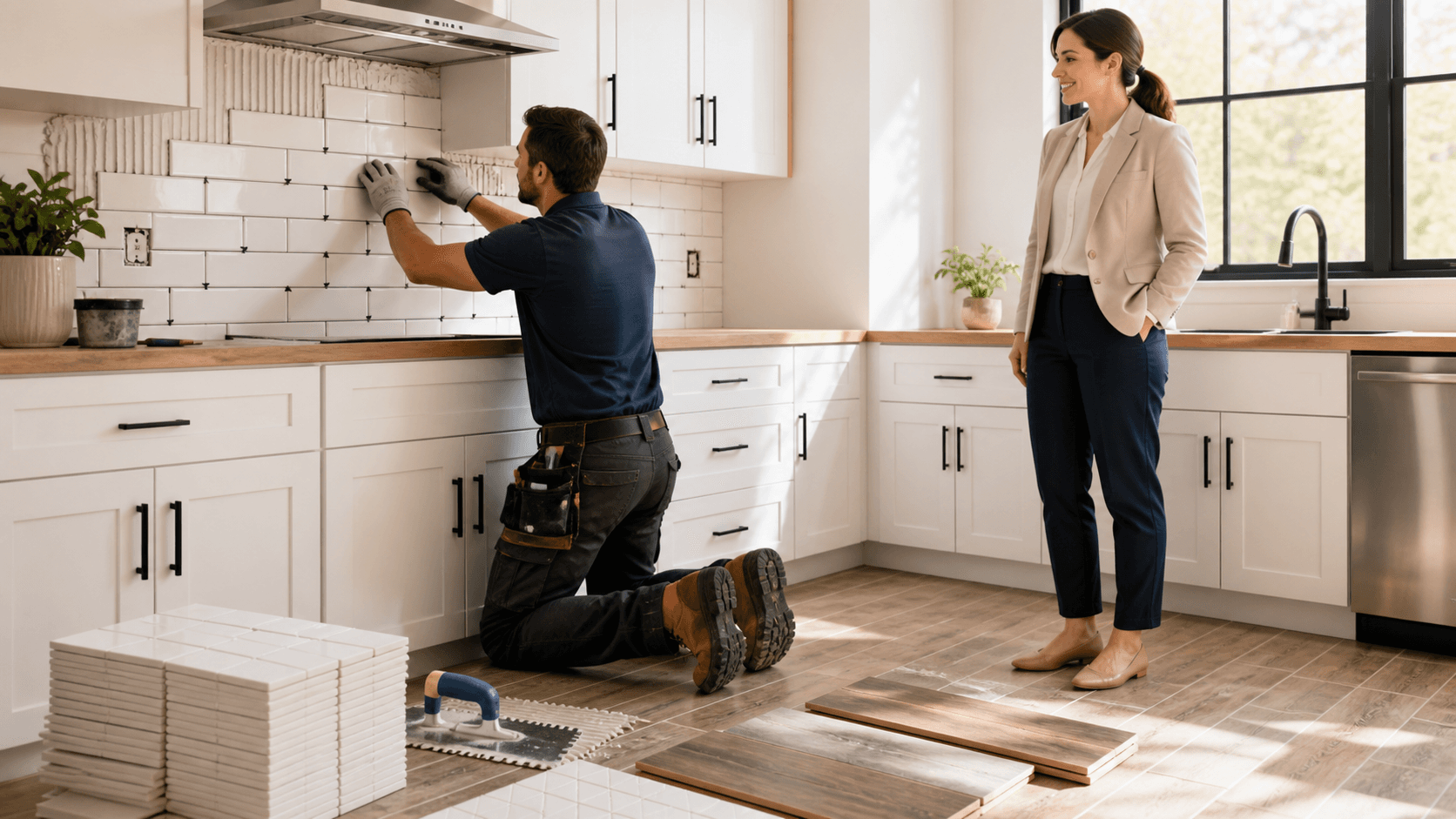
Fall weather brings a shift in routines and a few headaches when it comes to keeping our homes clean and dry. If you have laminated flooring, now is the time to give it a little extra attention. Even in Southern California, where the season tends to stay mild, we still deal with rain, morning fog, and a rise in indoor humidity. These small changes can quietly put your floors at risk.
Taking a few simple steps now will help save a lot of trouble later. Laminated flooring might be durable, but it does not get along with lingering moisture. The better we recognize how fall weather affects our living spaces, the easier it is to protect what is underfoot. By understanding how weather patterns bring subtle yet steady challenges, we can take action before those issues become bigger repairs.
Common Fall Weather Challenges Impacting Flooring
During fall, even a sprinkle of rain outside can lead to unexpected problems inside. When moisture builds up indoors, it does not always come in with a splash, it can creep in slowly, especially through tiny unnoticed habits.
- Wet shoes and umbrellas left by the door tend to drip, and if ignored, that water can settle between boards and seams, creating trouble you might not see right away.
- Entryways can collect mud and grass with every outing, which wears down the finish and leaves behind damp spots if not cleaned up fast. Sometimes, dirt and debris get pressed into the grooves, making it harder to remove later.
- Cooler nights mean moisture does not evaporate as quickly, so any dampness from showers, cooking, or wet floors sticks around longer than it would in summer. Indoor humidity may rise, leading to a floor that never quite dries out if we don't stay alert.
This extra moisture can start to break down laminated floors if we are not on top of daily habits and quick cleanups. Paying attention to where the trouble starts helps prevent the kind of damage that is difficult and costly to fix later.
Daily Habits That Help Prevent Moisture Damage
What we do every day makes the biggest difference. Most of the damage laminated flooring takes during fall comes from small things piling up. Being mindful of where water comes from and how we manage it goes a long way, especially as weather patterns change unexpectedly.
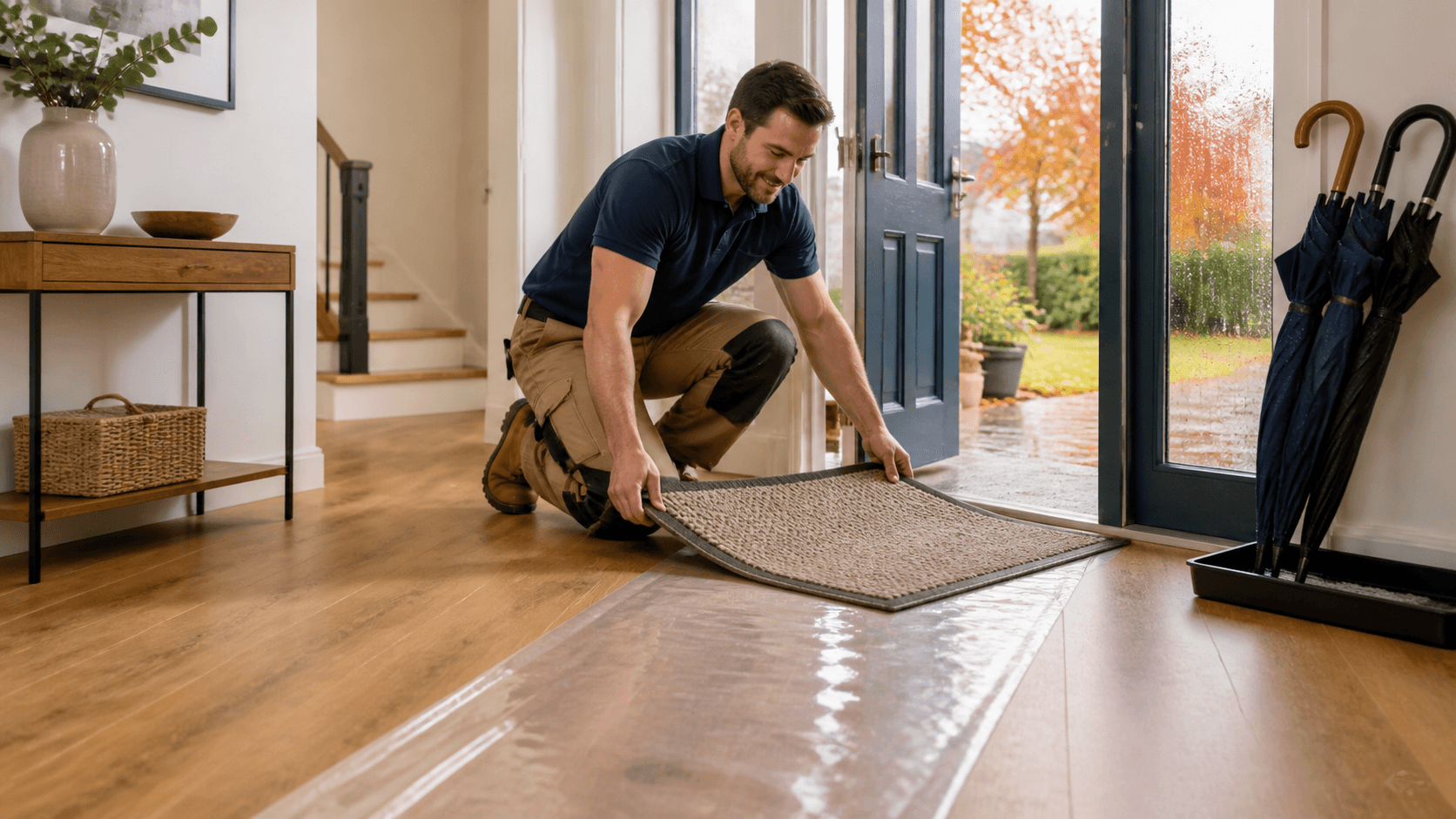
- Place doormats inside and outside of every entrance. These help stop water and mud before it hits the floor. Shaking mats out on a regular basis makes them more effective and keeps entryways tidy.
- Make it a habit to take off wet shoes as soon as you come in. A small tray or basket nearby makes it easier to stick with this habit and keeps puddles off your floors. Encourage kids and guests to do the same, an easy explanation often sets the tone.
- Sweep regularly to remove dirt and grit, which can scratch the finish. When needed, mop lightly with a barely damp cloth or microfiber pad, staying away from soaking the floor is best so water does not sneak into cracks.
- Open windows when possible to let air move through and dry out any trapped humidity, especially in bathrooms and kitchens. Fresh air helps speed up evaporation, giving you a safer, drier floor surface.
- If you are running a humidifier for comfort, keep it on a low setting. Fall does not usually need extra humidity in Southern California homes, but it is easy to forget to dial it back after the dry summer.
Small corrections like these can keep surface moisture from slipping beneath the surface, where it is harder to manage. Regular daily care, even as simple as a quick sweep or opening a window, adds up to long-term security for your flooring.
Protect Your Floors with Seasonal Prep and Room Upkeep
Fall can be sneaky. A little wind-blown rain or overnight condensation can creep past windows or doors, and it does not take much to soak into baseboards or seams in flooring.
- Check doors and windows for drafts. If you feel a breeze or see daylight through a corner, it might be letting in moisture. Using simple weather stripping or a draft stopper provides quick insurance.
- Add rugs or runners in areas where everyone walks in and out, especially around kitchen sinks, bathrooms, and high-traffic hallways. A soft barrier underfoot helps collect stray water before it gets to your floors.
- Have a clean towel or pet-safe mat near the door if your dog or cat goes outside. Giving them a quick wipe before they come in helps cut down on tracked-in messes and keeps the space cleaner overall.
Seasonal upkeep does not need to be complicated, but it should be consistent. Keeping surfaces protected and dry helps flooring last the way it should. A few extra minutes, repeated every week or two, supports a living space that holds up under the challenges of cooler, wetter months. Adjusting your cleaning strategy and making routine checks boost your chances of a trouble-free floor all season.
California Flooring Service, Inc offers waterproof and moisture-resistant luxury vinyl flooring options that perform well across all seasons. Our installations help Orange County homeowners protect entryways, kitchens, and high-traffic spaces from water and fall humidity.
When It Feels Like the Floor Is Warping or Bubbling
Sometimes, even after doing our best, changes still happen. If flooring suddenly looks uneven, or if you spot gaps between boards, that could be a sign of water damage. Even the best daily cleaning can't undo every effect of long-term moisture, so knowing when to pause and investigate will save bigger repairs later.
- Look out for soft or raised spots underfoot. If the planks feel like they bounce or swell up, they may be separating underneath. Taking a slow walk over your usual paths helps you notice changes early.
- Edges that lift or curl are another red flag. Once water gets into the core layers, it affects how the panels sit next to each other. Warped floorboards often signal ongoing, hidden moisture getting underneath.
- If you see signs like these, do not try to pull up or press down the planks yourself. That can make the problem worse or spread the damage further. Floor repairs involving moisture are best left to the experts.
Calling flooring professionals is the safest bet here. Laminated flooring reacts differently than natural wood, and knowing how it responds to fall conditions can prevent further wear or needed replacement. Quick action helps control damage, save costs, and restore your floor before the next weather shift.
Keep Your Floors Looking Great Through the Fall
The trick to making laminated flooring last through the season is not about big changes. It is about noticing the small stuff. Damp air, wet shoes, and cold mornings sneak in slowly, but they can add up fast.
We stay ahead by paying attention. Putting effort into fall routines means fewer surprises later on, and cleaner, healthier floors through winter. What we do today helps laminated flooring keep doing its job tomorrow, looking good, holding up, and staying part of a space we actually enjoy living in.
At California Flooring Service, Inc, we understand how important it is to maintain your flooring as the seasons change. With more moisture during fall, even surfaces that seem dry may have hidden issues underneath. Noticing soft spots or lifted edges could mean it is time to examine your existing laminated flooring. Addressing these early signs can help you avoid bigger problems down the road. Contact us for expert support to keep your floors well protected this season.