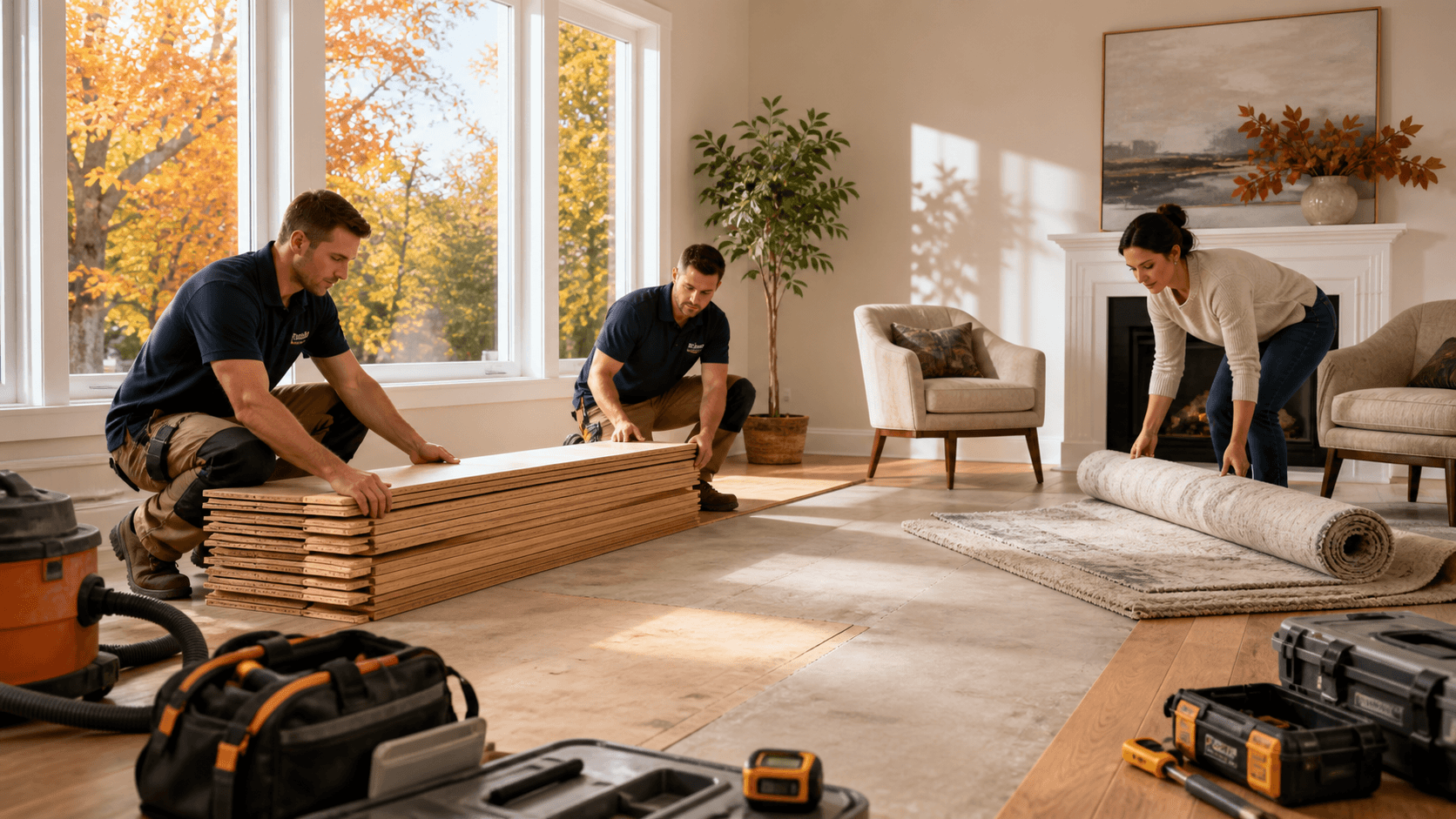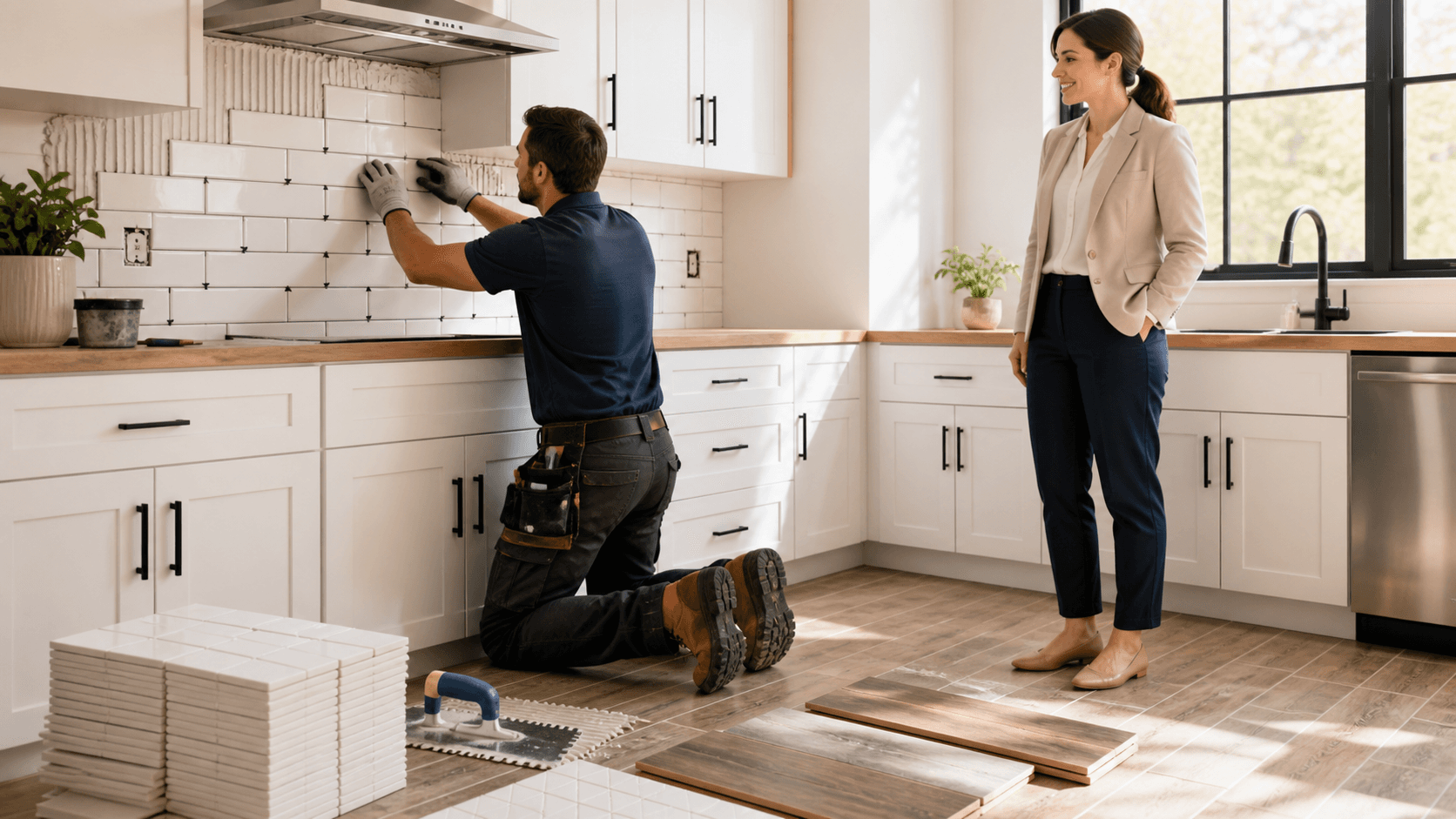
Planning a wood flooring install during the summer brings a few extra things to think through. Heat can change how building materials behave, especially natural wood, which tends to react to the environment around it. In warm places like Southern California, it's common to hit stretch after stretch of hot, dry days with sudden humidity thrown in. That kind of weather pattern doesn't just affect how flooring looks but how stable it stays over time.
Laying floorboards isn't just about putting them down straight and flat. Everything from moisture in the air to how sunshine hits a room can change how wood performs before and after install day. With solid prep, we can avoid those hidden problems that often show up weeks or months later. If we time things well and manage the environment inside the home, we get better results that last through more than just one season.
How Summer Weather Impacts Wood Flooring
We always expect wood to expand and shrink a bit through the seasons. That's just how it responds to heat and moisture in the air. But in the summer, those shifts can happen faster and more often, especially if floors are exposed to direct light or changes in AC routines.
Here's what summer heat tends to do to wood planks:
- Floorboards can swell slightly if the humidity rises quickly or stays high indoors
- Very high temperatures, even inside enclosed rooms, speed up that swelling
- Gaps may tighten on hot weeks, only to reopen later when cooler weather returns
- Improper spacing during install leaves no room for the wood to move, which risks warping
Flooring left in a hot, sealed-up room for too long can feel like it's already part of the house before install day, but in the wrong way. Any added tension in the boards can press sideways along the edges, which is where we often see buckling happen.
Why Proper Acclimation Time Matters
We always allow wood material to "settle into" its surroundings before installing it. That step becomes even more important during late spring and early summer. If the boards go from a well-air-conditioned supply truck into a hot, still room, they're going to react.
Here's why this adjustment period matters:
- It gives wood planks time to match the humidity of the space
- It reduces sudden movement after the planks are nailed or glued
- It keeps seams tight and surface lines smooth as the temperature changes
Sometimes letting the boards sit a bit longer than usual is worth it, especially in upper-floor rooms with higher sunlight. If the material hasn't had time to stabilize inside the room, we may end up with tight spots or lifted seams later, even when everything was laid down with care.
Choosing the Right Time and Conditions for a Smooth Install
Summer construction often means working before daytime heat builds. Once we get into late morning, surfaces start to warm up fast, especially near windows. That extra warmth can affect both boards and adhesives.
We watch for a few key conditions:
- Morning installs typically offer cooler surface temps
- Running the AC or opening windows helps keep the air moving and balanced
- Installing during extremely hot stretches can stress both people and materials
We try to avoid working during a heat wave if we can, mainly because indoor climate becomes harder to manage. It's best if the home can hold steady temperatures for a few days before and after installation. That minimizes the stress on the boards while they settle.
Subfloor Prep Makes All the Difference
Before a single plank goes down, everything below it needs to be in good shape. A clean, level subfloor helps the new surface behave well even as outside weather changes. In summer, that comes with a few added steps.
Here's what we check before starting:
- Moisture from underground or recent plumbing work can affect adhesive bonding
- Dust or uneven seams should be cleaned and sanded out
- Using a quality underlayment smooths out sound and gives the boards breathing room
Even with wood nailed into place, the wrong kind of vapor barrier can trap heat or moisture underneath, which weakens the flooring from below. That's why we double-check those hidden layers before moving forward.
California Flooring Service, Inc uses industry-recommended moisture testing, acclimation periods, and subfloor leveling for all types of wood flooring installations in Orange County. Our professional team works with solid and engineered hardwood suited for Southern California summers and offers guidance on underlayment and finish selection.
Post-Install Care During the Summer Months
Once everything's in and fastened, the job isn't quite finished. New flooring needs time to rest in its new environment, especially right after a wood flooring install takes place in early summer.
Here's how we help it settle properly:
- Keep blinds or curtains closed in sun-heavy areas for the first couple of weeks
- Place rugs in rooms where light bounces off hard surfaces
- Hold off on dragging large furniture so the boards stay flat
- Keep AC settings stable, and avoid dramatic swings in temperature
The more even the inside air feels, the better chance your wood flooring has to keep its shape long term. Sudden blasts of cold or hot air push and pull on the wood and can turn tight seams into gaps. Those are easy things to avoid with a few habit changes during the start.
A Smoother Start Leads to Longer-Lasting Floors
A little planning before a summer install pays off in durability down the line. When we pay attention to timing, air movement, and proper prep, we avoid the usual hitches that come from heat and humidity.
Working with natural materials like wood always takes some patience. But if we manage the details right, like letting each piece of wood adjust to the room and choosing the cooler parts of the day, we give the whole floor a better foundation. Tight seams, stable boards, and a smooth surface all start with a smart approach during those warmer months. And when summer returns year after year, the floor is more likely to hold steady no matter what the season brings.
Timing is just as important as technique during your summer remodel in Orange County, and at California Flooring Service, Inc, we help you get the most from your investment by installing floors designed to handle seasonal changes. Our team takes a professional approach to preparation, acclimation, and subfloor care, making sure your wood flooring install looks great and remains stable even as temperatures rise. Call us today to discuss the best way to begin your project.